Invitational events have been on the rise this past year, to the point where it’s not uncommon to see three or more invitationals a weekend. While the term may be used somewhat synonymously with any partnered event, for the scope of this article we’ll be talking about Minecraft minigame events for which one or multiple people pay for control over the player roster, teams, maps, and/or games.
We asked our readers about their thoughts regarding these invitationals, the way they’re hosted, and how they influence the rest of the event space.
First we asked what reasons our responders had for hosting events. Most mentioned these events being a way to celebrate their birthday or streamversary with friends, but another common motivation was to share the experience of playing an event with friends.
“I got to have a lot of input such as what maps to use, any round modifiers, etc. The event ran smoothly on the day and the roster was made up of many different people I’ve met from the event scene. It’s safe to say everyone enjoyed themselves.”
– IrishPotatooe, event player and roster manager for MCBC
The experience of hosting varied a lot. Some had a similarly polished experience as Irish, while others ran into more trouble.
“I wanted to have a good time with my friends, but hosting the event ended up being a lot more stressful than I thought. There were a bunch of other events happening that weekend, so my player pool to choose from was limited. I ended up putting out a public tweet to select a few players to throw in, even if it was against my original goal to include people I didn’t know well.”
– NURSEGUY, streamer and event player
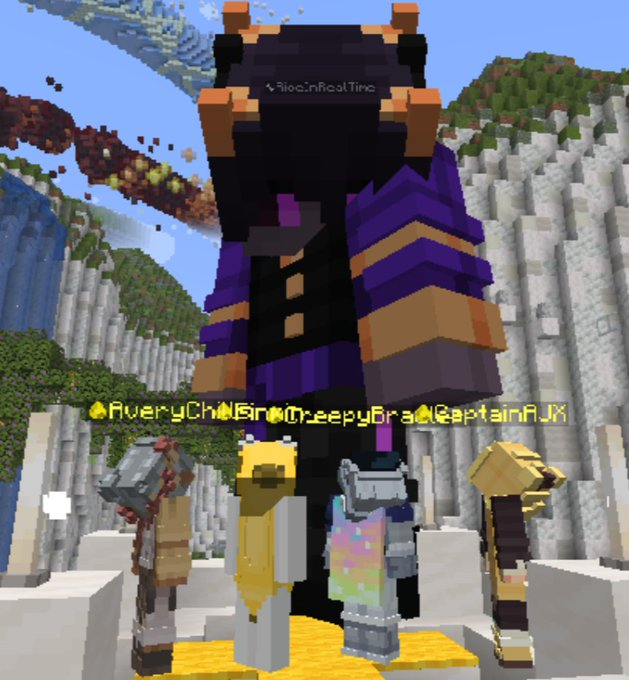
Opinions are divided on whether playing feels similar to non-invitational events. The main difference mentioned is team balancing, although people don’t agree on whether balancing in invitationals is better or worse.
“With invitationals often being played for fun, they tend to let people who signed up together team, rather than focusing on balanced teams. However, they also tend to have the most discourse about unbalanced team making. I’ve seen calls for sign-ups not directly asking for any entrance fee, but saying that payment will ensure a slot or even give someone free reign over their team. It’s understandable on paper but I think it almost sounds like ‘pay to win’.”
– Ninjy, Twitch streamer and event player
“Invitationals are normally events with better team balancing. Non-invitationals tend to have a very high skill ceiling, with players who play the same event multiple times, and unbalanced teams. I find invitationals are less likely to have toxic players as there are high standards to compete.”
– RoryAnimatez, Twitch streamer
Event analyst Prof Pie has a potential explanation for these seemingly contradictory experiences:
“The primary difference is the variance in how competitive the event is. Pay-to-play events typically have either players who are more invested in events and therefore are higher skilled, or significantly weaker players due to the event being hosted for a specific friend group.”
– Prof Pie, YouTube streamer and event player
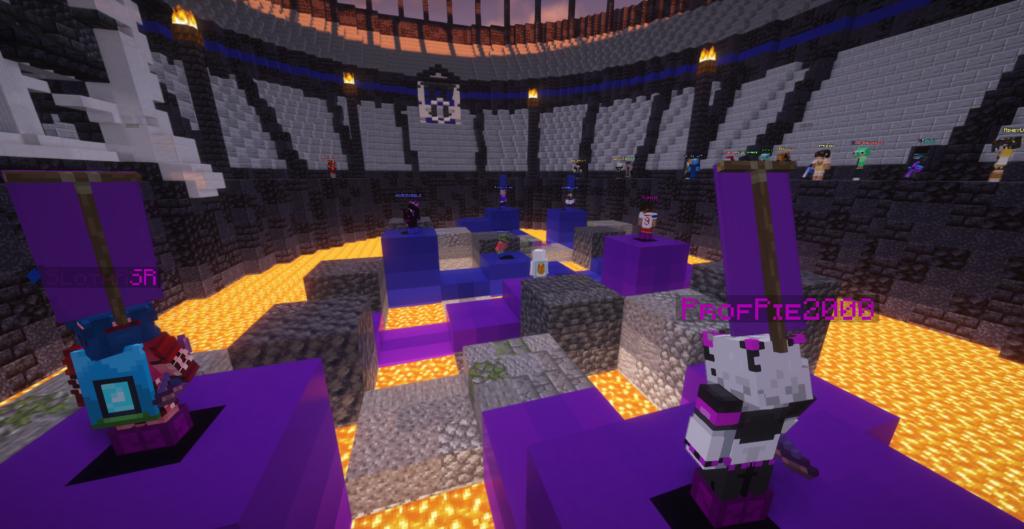
Besides balancing, some point out that the player pool can be difficult to deal with.
“Some invitational hosts do not think to veto their players, especially in ‘every player pays for their own spot’ invitationals. I’ve seen people who have been publicly called out on their behaviour get allowed by hosts to play because they pay. Even if spots are low, you still shouldn’t be letting people like that in. If you weren’t able to pay for the event otherwise, you shouldn’t be hosting it in the first place.”
– CreepyBrawler, event organizer
“There usually is a mixture of people who don’t play many events, which can create a toxic event environment with some people involved not really knowing event etiquette.”
– IrishPotatooe, event player and roster manager for MCBC
Not knowing the etiquette might not be the only reason for a less-friendly environment or clashing experience. Players also report a difference in perceived stakes when playing in a paid invitational.
“I find invitationals to be more high-pressure than normal events. It feels like there is something to lose because money went into it. If the event experience isn’t good, money is wasted in a way.”
– Anonymous responder, event tester and player
“There are less stakes. It doesn’t feel like there’s as much on the line as with other types of events.”
– CreepyBrawler, event organizer
Still, even with the variance in reported experiences, the overall vibe leans towards excitement, both for getting to play events people have been watching for a long time, as well as for playing their beloved events with friends.
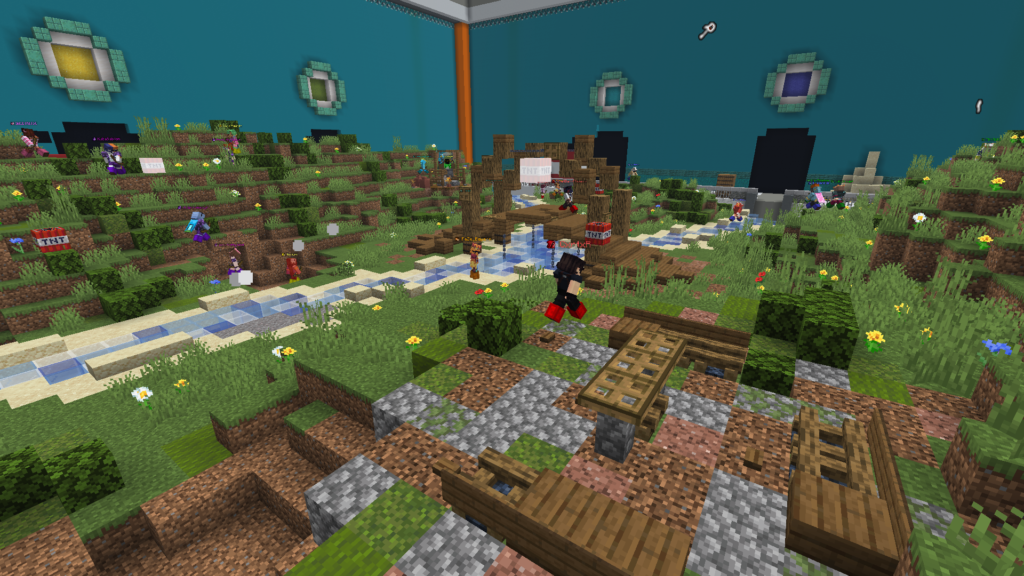
Another topic was whether paid invitationals were viewed as something good for the event community. As could be expected, opinions on this are also mixed, with many responders pointing out both positives as well as negatives.
“I think it’s cool for people to get the chance to play in bigger events, like Pandora’s Box or Block Wars. However, I think they are way too common and it makes the events feel less exclusive. Seeing the same games getting played every week for two months gets boring, and it makes events lose the touch that once made them special.”
– Ess4nce, streamer and event staff for Creator Carnage
“I don’t think invitationals are an inherently bad way to host an event, as it is a way to support the creators of the event, but ultimately it depends on how invitationals are planned, priced, and scheduled that can make them beneficial to the long-term prestige of the event. The current frequency of paid invitationals has negatively affected the status an event has in the community, making events less exciting to watch and play. I think the wait between events left audiences and players excited and looking forward to what’s coming next.”
– NURSEGUY, streamer and event player
Recurrent themes for both viewers and players are events feeling stale, with everyone constantly playing the same games and the same maps. On top of that, there is the increased skill gap that comes with players playing the same games and maps multiple times versus those who have never played before.
“Event player pools can share quite an overlap. If the events are held within a week from each other or even in the same weekend, players playing both invitationals will have an advantage due to competition recency. Meanwhile if it is a monthly system, the skill factor can generally be evened out from flawed memory and studying visually from vods.”
– Anonymous responder, developer, game designer, and sound designer
“I support how events like Chamber Trials host paid invitationals on an earlier version of the event. This means their canon event players get a more modern experience where there is more hype because of updates, while people can still pay to play events with their friends.”
– Anonymous responder, event organiser
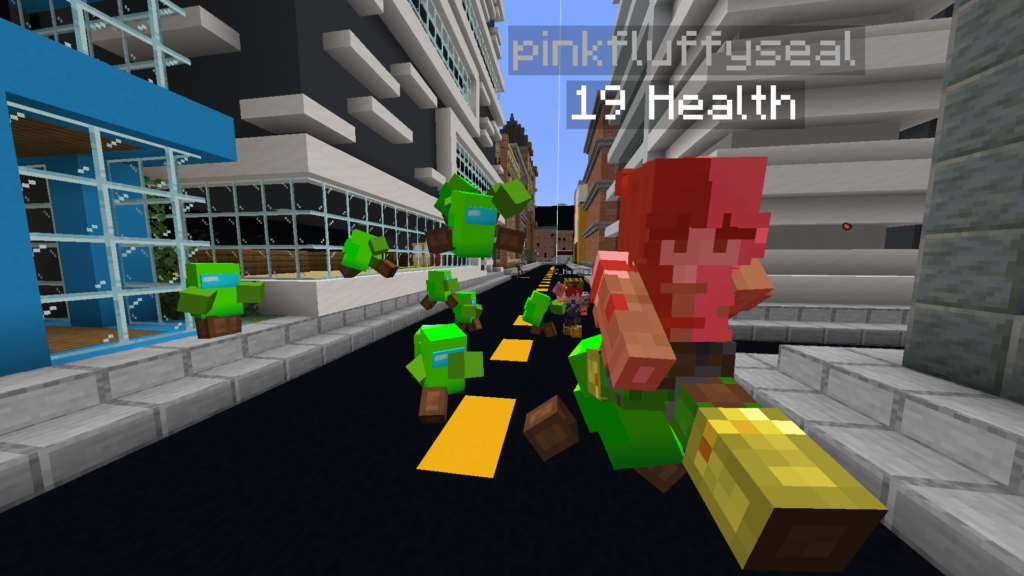
An important positive note is that it’s a way for staff teams to make money in a scene that usually requires them to pay things like server hosting costs out of their own pockets. Many mention how developers earning money is nothing but logical or deserved for the hard work they put into developing, running, and maintaining an event.
“I don’t think badly at all of events who charge money to host invitationals. One big positive is that events are getting more money to pay the hard working people and to use to make bigger and better things. I just wish there was a way of keeping that income without having the paid invitationals, because I think they cause a lot of fatigue with events. They take away from the excitement and specialness of playing in events.”
– Anonymous responder, streamer, event player, and charity event owner
The question might be, however, whether this outweighs the possible negative consequences invitationals have for event hosts. Especially if there are many events that ask for new maps or other changes, the workload can be greatly increased compared to when there were only canon events to develop new content for.
“I think in general it’s been bad for me personally as an event host – there have been a lot less free dates for canon events as I’ve been having to consider invitationals happening on the same dates or times.”
– CreepyBrawler, event organiser
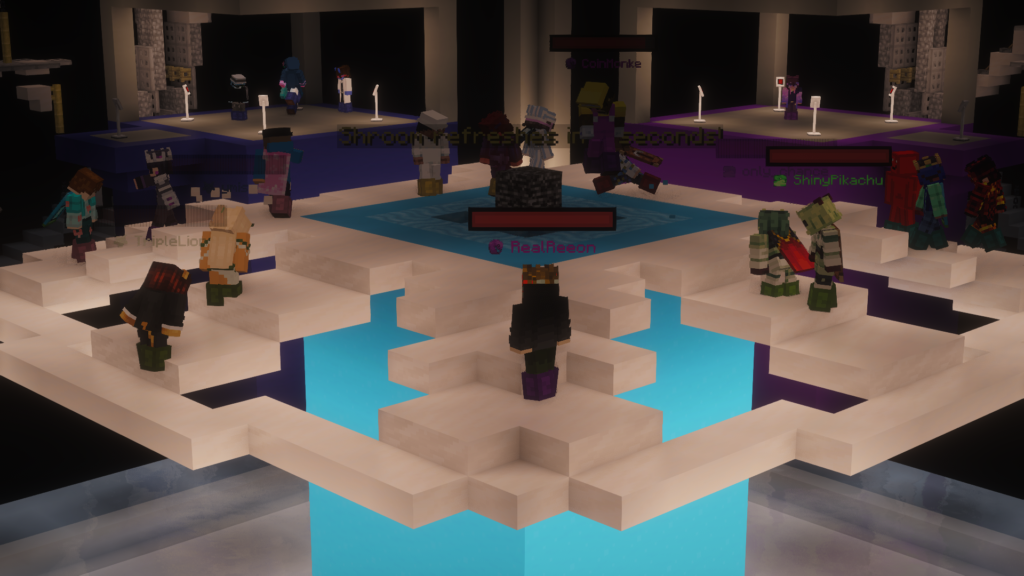
Then there’s the notion of the price itself, which varies between events. Many medium-sized events charge around $10 USD per person (i.e. $400 for a 40-player event), although more prestigious events with higher demand may charge up to around $75 USD per person (i.e. $3000 USD for a 40-player event). The price can also increase if the event host has certain requests that the event owner is willing to indulge, like new maps or more games than is standard. With the range going up to $75 per player, there are concerns regarding the monetary position this puts some people in.
“Paying to play means that the only people who are able to play in events are ones in better financial situations, which creates a sense of classicism in the community.”
– Anonymous responder, event organiser
And while the next anonymous responder agrees, they draw the interesting comparison to how a lot of offline activities have similar issues.
“People hosting and funding events themselves for special occasions like a birthday party straight up just feels like a normal thing. It’s like getting a laser tag birthday party but Minecraft.”
– Anonymous responder, content creator and event player
Overall, however, it doesn’t seem like the price charged to host an event changes people’s opinion of said event.
“My perception of how good an event is independent from its monetary value. What might influence my opinion, though, is whether the price of an event reflects the work and passion that people have put in. I’m more inclined to respect and want to participate in an event where the developer is passionate and visibly puts effort into their work, compared to an event that focuses on invitationals or charges highly above the quality of the event.”
– Anonymous responder, event tester and player
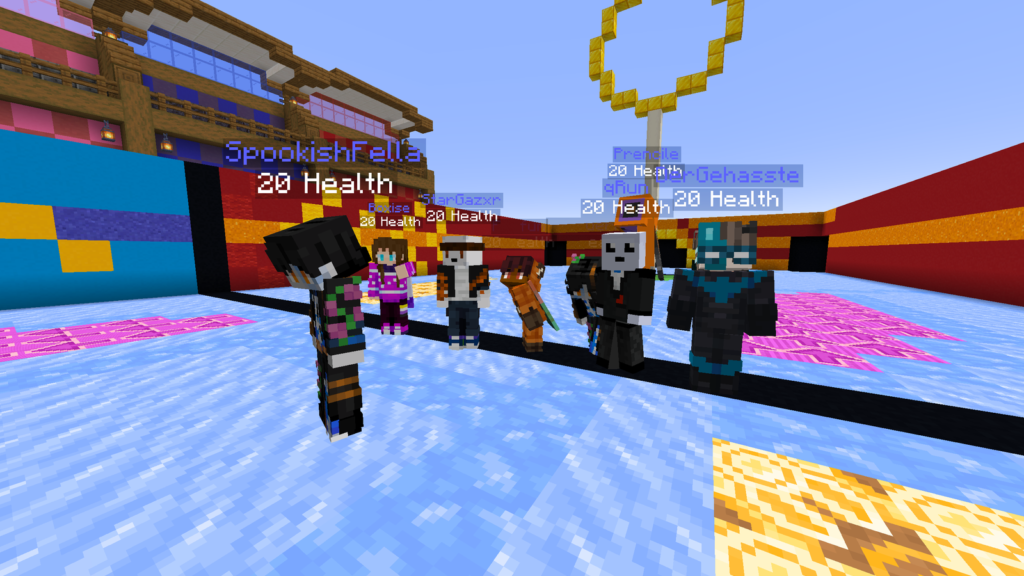
That said, most agree that the prices are rather steep, especially when taking into account that the community is world wide and as such deals with multiple types of valuta and worth.
“An event that goes for $1-2k makes it equal to a third of the average profit someone earns per year in my country. To put it into perspective, for that price I could rent an apartment for 3-5 months, pay 2.5 years of college tuition, pay 1.5 years of health care insurance, or have 5 months of gas while refueling to a full tank every 2 weeks. So the prices are kind of insane to think about when you compare them like that.”
– Anonymous responder, event tester and player
“If they weren’t overpriced, they’d be the stuff you play when you’re bored on a Tuesday night. I know people buy them, so from a capitalist point of view they are priced accurately in comparison to their value. That said, a lot of people who want to be involved in these invitationals are likely part of the audience from the streamers who play these events. The majority of them are like 16 year old kids who do not yet know the value of money. However, I think as long as events are responsible with the power they hold, they should be allowed to run these events against payment.”
– FattyIsACatty, retired event organizer
Overall the opinions regarding paid invitationals are varied, as one can expect from a diverse community like the Minecraft one. As with the rise of anything new, paid invitationals are changing the way we treat events as a whole. In time we’ll see whether the community can find a balance between preventing events from getting stale and letting everyone join in on the hype. If you want to be kept up-to-date on events and when they take place, make sure to check out our event calendar here.
About The Author