This article talks about conditions that cause photosensitive seizures, explores the experiences of those who have photosensitive seizures, and discusses useful approaches for Minecraft event organisers to make their event more accessible.
PHOTOSENSITIVE SEIZURE CONDITIONS
Photosensitive seizures are seizures which are caused by certain visual stimuli, such as flashing lights, bold or irregular patterns, and moving patterns. Due to the potential danger a seizure can pose for the person experiencing it, it is important to treat photosensitive seizures with extreme caution. Seizures that last longer than five minutes or that are repetitive seizures can potentially cause permanent brain damage, organ failure, or even death.
Epilepsy is one of the most commonly known seizure conditions, affecting around 50 million people worldwide. The condition’s main symptoms are repeated seizures, but the type of seizure is dependent on which part of the brain is affected by that person’s epilepsy. Whilst everyone with epilepsy will experience seizures, not all are triggered visually. Only around 3% of people with epilepsy suffer from photosensitivity. Additionally, the severity of a seizure will differ from person to person, even if they have the same condition.
There are many other conditions that have seizures as a symptom, such as Functional Neurological Disorder or brain tumours. While it is rarer for these conditions to have visually triggered seizures, estimations are that up to 1 in 4000 people worldwide suffer from them. This symptom is most prevalent up to the age of 20, which is another reason why it’s important to keep potential triggers in mind in and around the Minecraft space.
TYPES OF GENERALISED SEIZURES
Clonic Seizure – This will cause the person’s arms, legs, or upper body to twitch or jerk, making it almost look like the person is suffering from an electrical shock. They usually last up to 2 minutes, and the person may also lose consciousness during the seizure.
Tonic Seizure – This causes all or some off the muscles in the body to suddenly become stiff, potentially causing a loss of balance. This type of seizure mainly happens during sleep.

Tonic-Clonic Seizure – This type of seizure, also known as grand mal, will occur in two stages- first the body will become stiff, then the limbs will begin twitching. The person will lose consciousness and might occasionally wet themselves.
Absent Seizure – This will cause the person to lose awareness for a short while, usually around 15 seconds. Someone experiencing an absent seizure will seem to stare into space, sometimes followed by fluttering their eyes or smacking their lips. When someone has an absent seizure they will have no memory of the seizure occurring.
Myoclonic Seizure – This type of seizure is very similar to clonic seizures, except it lasts a shorter amount of time, around a fraction of a second. The name for the type of movement is a Myoclonic Jerk, which often happens in the first few hours of being awake. They may also occur in combination with other types of seizures.
Atonic Seizure – This type of seizure will cause a person’s muscles to relax without warning. This is sometimes also called a drop attack, as due to the sudden relaxation of muscles the person tends to fall to the ground. It can also happen to only a select group of muscles, in which case the person will be fully aware. If it however happens with all muscles, it’s unlikely they are aware of this happening.
PLAYING MINECRAFT WITH SEIZURES
I have Functional Neurological Disorder, which means I suffer from photosensitive seizures. I tend to be very sensitive to flashing lights, which sometimes happens with things like lag-backs or bugs, meaning Minecraft events can occasionally be very dangerous for me. I like to have Fullbright on during events because this counteracts flashing that often happens when night vision is about to run out on higher-ping servers.
Rand0m_180’s Minecraft event playing experience is also affected by their photosensitive seizures.“I have many chronic illnesses, but the main thing that affects me is having epilepsy. Because of it, I have missed out on many opportunities because I can’t look at bright things. Something as simple as getting a message can trigger a shake out of nowhere. My seizures usually happen at night, but I have had them in the day before enough times to know I don’t want to experience that again, so the fear is real.
“I can’t play on any new Minecraft world or server without having to mess with a lot of the disability settings, such as for lightning or fireworks flashes,” they continue. “My best friend, Bex, helps by letting me know when I can reopen my eyes after fireworks or other flashes happen.
“This also makes me worry about signing up for events I don’t really know, which means I’m limited to events that I know are safe for me. It’s never fun to try and play an event but have to ask for a pause because you think you’re gonna drop. I hate that I can’t play without the worry that my comfort game might hurt me.”

MINECRAFT EVENTS & INCREASING ACCESSIBILITY
There are multiple ways Minecraft events can help those who experience photosensitive seizures.
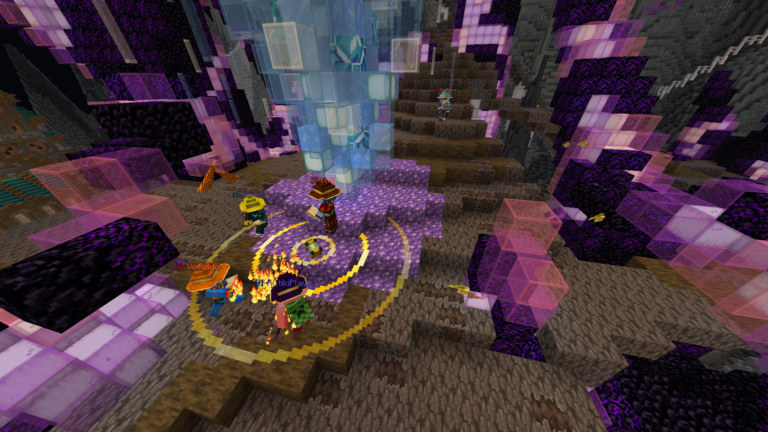
BUG FIXES: repetitive lag-backs and blinking night vision are just two of the many issues which can affect event players. Bugs and issues like these should be prioritised for fixing, due to the potential harm they can cause. It’s always useful to have a plan in place for if such a bug pops up unexpectedly mid-event, and a player suddenly can’t continue.
BREAKS: some seizures can be caused by stress or eyestrain. Allowing a break may minimise the risk of stress-induced seizures.
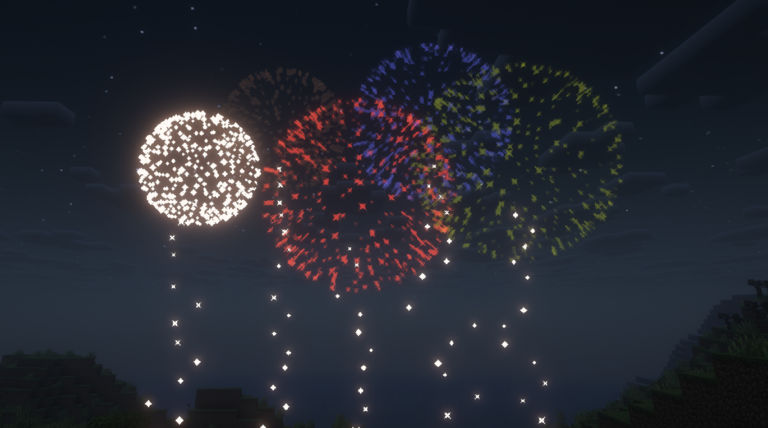
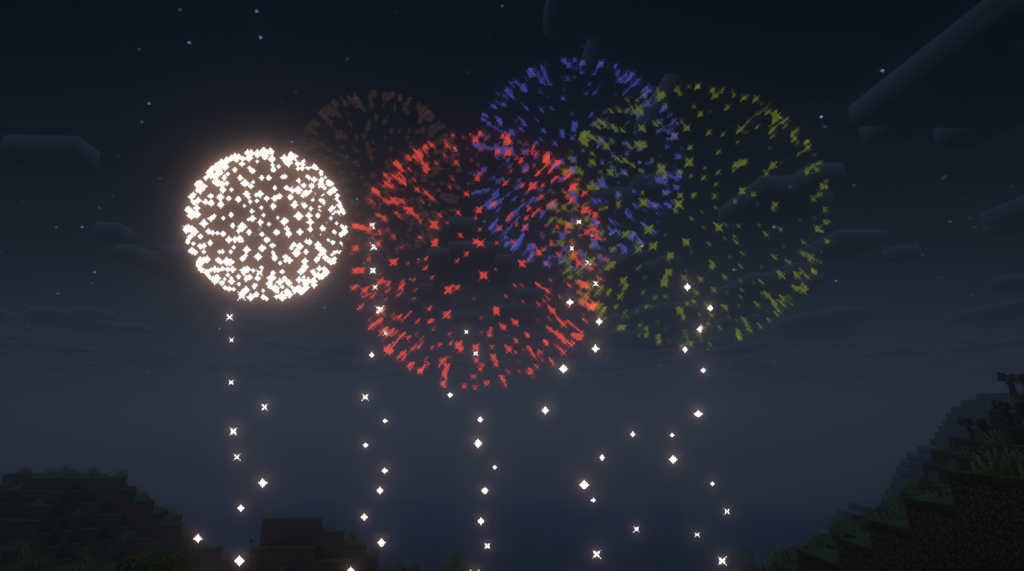
ALLOWING TEXTURE PACKS OR MODS: as many events use fireworks, allowing a texture pack such as Transparent Firework Particles can help prevent photosensitive seizures for players. Try to prevent too many particles appearing at once, or make sure people can turn on decreased particles. Similarly, consider allowing exceptions to use certain mods that are often banned or discouraged, such as Fullbright, if it helps the person.
WARNINGS: if your event contains visual stimuli like the ones stated above, warning players before it occurs – or ideally during sign-ups – will help players with photosensitive seizures decide whether it’s okay for them to play the event or game, and allow them to make preparations to be safe during the event. If you’re unsure whether something can cause seizures, opt for warning more rather than less.
By taking the time to think about accessibility, and making changes, event organisers can help ensure players are safe when playing their events.
The Accessibility in Minecraft articles are available as a collection here, with new content added to the top of the page when released.
About The Author